
25+
Years Of Experience
Tissue Work That Addresses Deep Tension
Cupping Therapy in Portland for muscle tightness and chronic discomfort patterns
Tight muscles and restricted tissue develop from repetitive strain, postural stress, or unresolved injury, creating discomfort that limits movement. Cupping therapy applies negative pressure to affected areas, drawing tissue upward into glass or plastic cups to encourage circulation and release fascial adhesions. Cascade Mist Acupuncture incorporates cupping alongside acupuncture for patients in Portland whose treatment plans address musculoskeletal complaints, particularly when manual pressure alone does not adequately reach deeper layers.
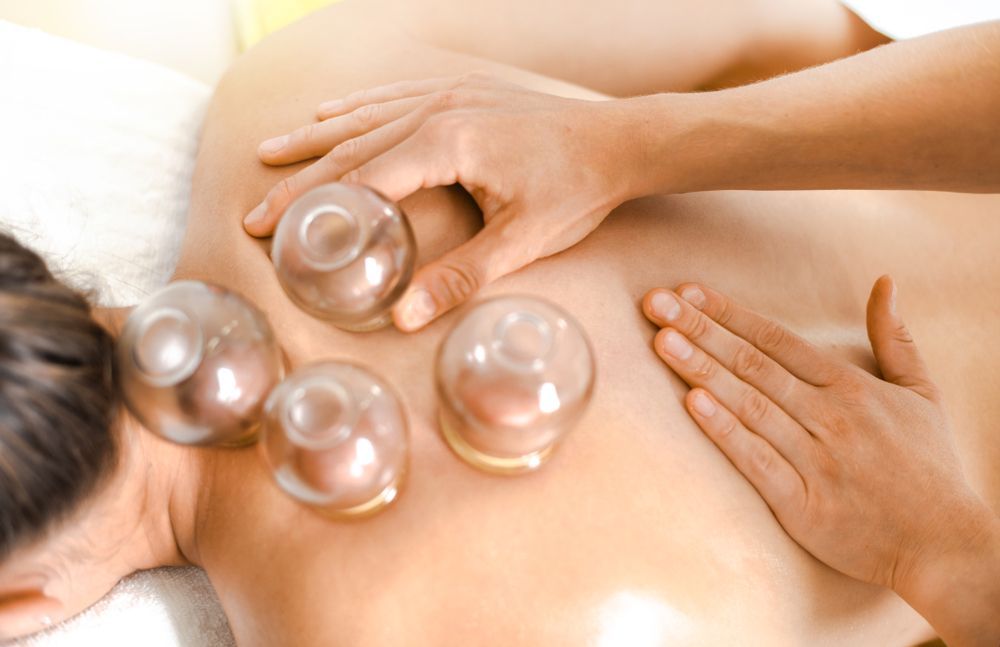
Cupping creates suction that lifts tissue away from underlying structures, temporarily increasing blood flow to areas where circulation has been compromised by chronic tension. Practitioners apply cups to specific regions based on where tightness or discomfort is concentrated, leaving them in place for several minutes or moving them across the treatment area depending on the technique selected for your session.
Schedule an evaluation to determine whether cupping would support your current treatment plan.
What Happens During Cupping Sessions
Cupping involves placing cups on the skin after creating suction, either through heat or mechanical pumps, and allowing them to remain for a set duration while the tissue is drawn upward. Practitioners select cup size, placement, and duration based on the area being treated and the severity of tension present, with adjustments made if the sensation becomes uncomfortable.
You will notice circular marks where cups were placed, ranging from light pink to deep purple depending on how much stagnation was present in the tissue, with marks typically fading within several days to a week. Treatment recommendations are individualized, with some patients receiving cupping during every acupuncture session and others using it periodically when specific areas require additional attention.
Cupping is often combined with acupuncture needling in the same session, allowing practitioners to address both surface tension and deeper energetic patterns simultaneously. Patient comfort and safety remain priorities throughout the session, with adjustments made based on your feedback.
Common Cupping Questions
Patients considering cupping therapy often want to understand what the treatment involves and how it fits into their overall care approach.
What does cupping feel like during treatment?
Cupping creates a pulling sensation as tissue is drawn into the cup, which most patients describe as tight but not painful, with intensity adjusted based on your comfort level.
Why do cupping marks appear and how long do they last?
The marks result from increased blood flow and release of stagnant material in the tissue, with darker marks indicating more congestion, and they typically fade within three to seven days.
Which conditions commonly involve cupping therapy?
Cupping is frequently used for tight shoulders, low back tension, neck stiffness, and other areas where chronic muscle discomfort limits movement or causes pain.
How does Portland's climate affect muscle tension patterns?
The dampness common in Portland can contribute to joint stiffness and muscle tightness, making cupping a useful addition to treatment plans addressing these patterns.
Can cupping be used in every treatment session?
Frequency depends on your condition and treatment plan, with some patients benefiting from cupping weekly and others using it less often as their symptoms improve.
Cascade Mist Acupuncture evaluates whether cupping therapy is appropriate during your initial assessment and discusses how it may be integrated with acupuncture and other treatment modalities. Arrange a consultation to review your specific musculoskeletal concerns and treatment options.