
25+
Years Of Experience
Headache Care That Addresses Frequency and Intensity
Migraine Acupuncture in City unavailable for recurring headaches disrupting work and family life
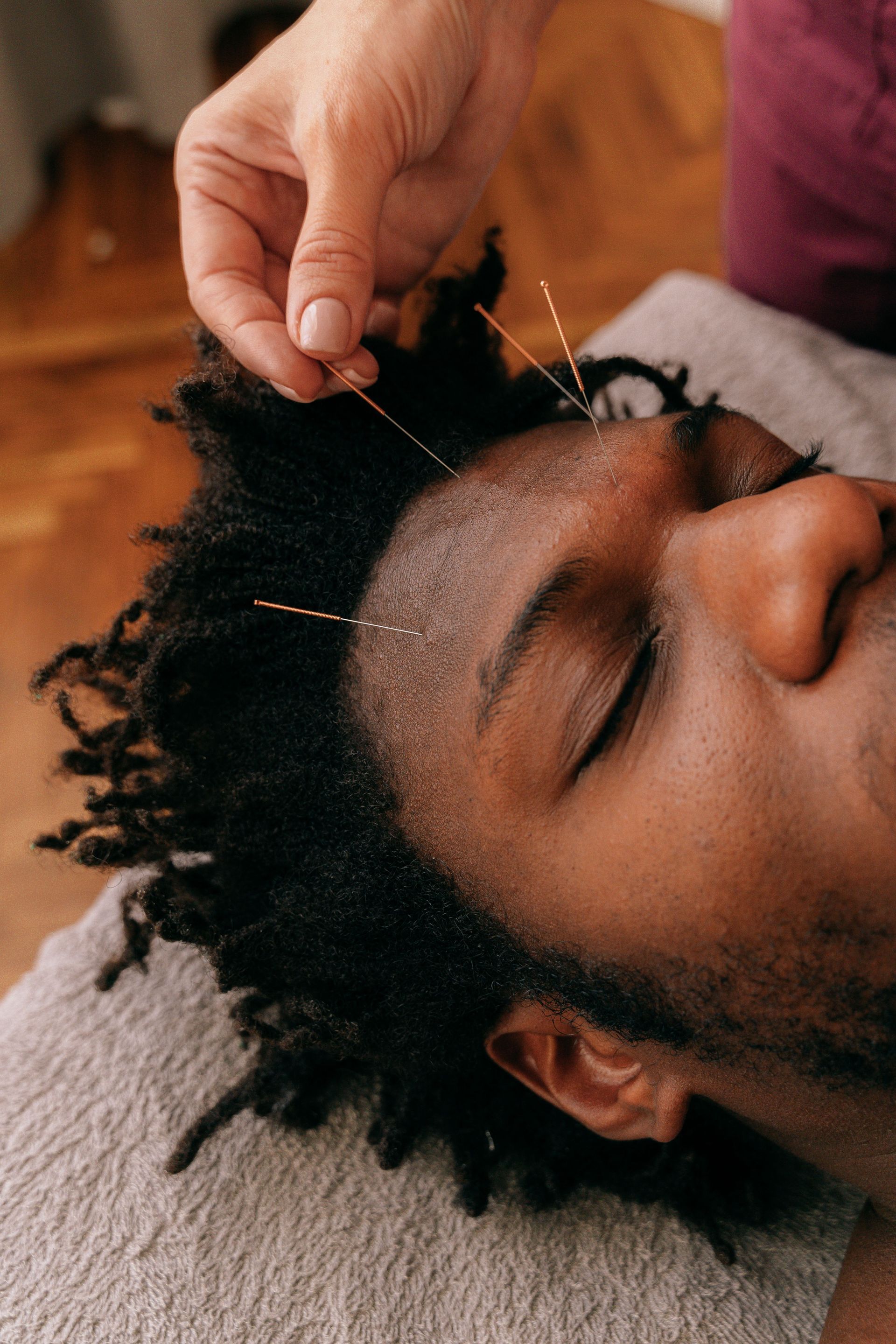
Acupuncture for migraines involves placing needles at specific points that address pain pathways, muscle tension patterns that contribute to headaches, and stress responses that many patients identify as triggers. Cascade Mist Acupuncture develops treatment plans based on your migraine history, including how often episodes occur, what symptoms accompany your headaches beyond pain, and which factors consistently precede an attack. The whole-person approach considers sleep patterns, dietary triggers you've identified, hormonal fluctuations if relevant, and stress levels that fluctuate with work or family demands.
Treatment sessions typically address both acute symptom relief during active migraines and preventive care between episodes, with needle placement varying depending on whether you're currently experiencing a headache or working to reduce future frequency. Evidence-informed protocols guide treatment while allowing customization based on your specific symptom presentation.
Schedule an individualized evaluation if recurring migraines limit your ability to maintain work productivity or participate in family activities.
What Changes After Migraine Treatment Completes
Migraine treatment begins with documenting your current headache frequency, pain intensity on a standard scale, and associated symptoms like nausea, light sensitivity, or visual disturbances that signal migraine rather than tension headache. Sessions focus on points along the neck and shoulders where muscle tension accumulates, scalp points that address pain referral patterns, and distal points on hands and feet that traditional acupuncture theory connects to head pain.
Over the course of treatment, patients often track that migraines occur less frequently than before starting acupuncture, or that pain intensity decreases enough to allow functioning with over-the-counter medication rather than requiring prescription interventions. Some notice that prodrome symptoms like neck stiffness or mood changes become less severe, providing more warning time to implement other preventive measures before full migraine onset.
Treatment works best as part of a comprehensive migraine strategy that may include identifying dietary triggers, managing sleep schedules, and coordinating with neurologists if you take preventive medications. Acupuncture does not replace pharmaceutical management when medications prove necessary, but provides an additional tool for reducing the burden of recurring headaches.
Answers to Migraine Treatment Questions
Patients experiencing chronic migraines often ask about treatment logistics and how acupuncture integrates with other headache management approaches they're already using.
What happens during the initial migraine consultation?
The first visit includes detailed discussion of your headache history, trigger identification, current preventive measures and medications, and a physical assessment of muscle tension patterns in your neck, shoulders, and jaw that may contribute to headache development.
How does acupuncture treatment differ during an active migraine versus between episodes?
Active migraine treatment uses gentler techniques with minimal stimulation to avoid aggravating symptoms, while preventive sessions between headaches employ stronger stimulation to address underlying patterns and reduce future episode frequency.
When is the optimal timing for preventive migraine treatment?
Many patients schedule regular sessions weekly or biweekly during periods when migraines occur most frequently, then reduce session frequency once headache patterns improve to a more manageable level.
Can acupuncture help with medication overuse headaches?
Treatment can support the transition away from overused pain medications by providing alternative pain management during the withdrawal period, though this requires coordination with your prescribing physician.
What should I track between sessions to help treatment planning?
Keeping a headache diary that notes frequency, intensity, duration, triggers, and which interventions helped each episode provides valuable information for adjusting your treatment plan as care progresses.
Cascade Mist Acupuncture approaches migraine care through evidence-informed treatment that addresses contributing factors alongside symptom management. Schedule an appointment to discuss how acupuncture fits within your comprehensive headache management plan.